
The way people search for information is evolving faster than ever. For years, Google was the go-to destination for discovering answers. But in 2025, a massive shift has taken place — people are now turning to Instagram as a search engine. Whether they want restaurant suggestions, travel inspiration, or fashion ideas, users prefer visually engaging results over plain text. This marks the beginning of the Social Search Revolution, where social platforms like Instagram redefine how we find and experience information

From Google to Instagram: The Search Evolution
Traditionally, search engines relied on keywords, backlinks, and web content to rank information. But audiences, especially Gen Z and millennials, now expect instant visual discovery. They no longer want to scroll through endless web pages — instead, they open Instagram as a search engine and type what they need.
Someone planning a trip might search “best cafes in Kochi” or “hidden beaches in Goa.” Within seconds, they see real photos, Reels, and reviews posted by real people. This authentic content feels more trustworthy than any text result.
The reason is simple: Instagram combines, discovery community, and storytelling. It doesn’t just answer what you’re looking for — it shows you how it feels.
Why People Love Using Instagram as a Search Engine
- Visual Discovery That Inspires Humans process visuals 60,000 times faster than text. When someone uses Instagram as a search engine, they instantly see images and videos that spark inspiration. A quick search for “bridal hairstyle ideas” reveals dozens of short Reels, before-and-after clips, and step-by-step tutorials — all in one feed.
- Authenticity Builds Trust people, not ads. That’s why Instagram as a search engine has become a hub for genuine opinions. When users search for a product or location, they see real experiences from others. Reviews appear in the form of posts, making every recommendation personal and believable
- Community -Driven Results Unlike traditional search engines, where algorithms decide rankings, Instagram relies on engagement — likes, saves, shares, and comments.
- The community decides what deserves to be seen. That’s why posts that resonate emotionally often dominate results.
.Seamless Shopping Integration One of Instagram’s biggest advantages as a search engine is its built-in shopping experience. Users can discover products, read reviews, and purchase directly through posts and Reels — no external website needed.
The Mechanics Behind Instagram Search
Behind the scenes, Instagram uses a complex system to power its search results. When you treat Instagram as a search engine, the app looks at: • Keywords in captions and bios • Relevant hashtag • Engagement metrics • Poast recency and popularity This means Instagram SEO matters as much as traditional SEO. Businesses that understand keyword placement, visual storytelling, and audience engagement gain a competitive edge.

How to Optimize for Instagram as a Search Engine
1. Optimize Your Bio
Add keywords naturally in your bio. Example: “Food blogger sharing café reviews | Exploring India through Instagram a search engine.”
2. Use Keyword-Focused Captions
instead of vague one-liners, craft captions that match search intent. Example: “Streetstyle outfit ideas for 2025 – trending looks discovered using Instagram as a search engine.”
3. Alt Text and Hashtags
Instagram allows custom alt text. Use descriptive phrases such as “Digital marketing tips discovered through Instagram as a search engine.” Combine it with niche hashtags for extra visibility.
4. Engage With Your Audience
Reply to comments, encourage saves, and start discussions. The more engagement you get, the higher your post ranks when users use Instagram as a search engine.
5. Create Reels With Search Intent
Short, keyword-rich Reels perform best. Add text Overelays like “Learn Instagram SEO” or “Explore Kerala cafes using Instagram as a search engine.”
The Psychology Behind the Social Search Revolution
Why do people prefer Instagram as a search engine instead of Google? It comes down to emotion andauthenticity.
On Google, results are algorithmic; on Instagram, they’re human. When users search visually, they connect with real faces, emotions, and experiences. They don’t just learn — they feel.
This emotional connection transforms discovery into decision-making. For marketers, it means storytelling is no longer optional; it’s essential.
Case Study: Local Growth Through Instagram Search
A boutique bakery in Thrissur once relied solely on Google listings. In 2024, they optimized for Instagram as a search engine — using location tags, posting daily Reels, and including keywords like “homemade cakes in Thrissur.” Within months, when people searched those phrases, the bakery’s Reels appeared first. Engagement doubled, and real foot traffic followed. Customers admitted they found the shop while exploring Instagramam as a search engine. This simple shift from static search to social search transformed their business visibility.
Brands Adapting to the Instagram Search Era
Global brands are also taking advantage of Instagram as a search engine. Fashion labels post “style lookbooks” under searchable hashtags. Travel agencies share short itineraries tagged with destinations. Fitness trainers use keyword-rich captions to reach new audiences. By aligning with Instagram’s algorithm, they blend SEO and social storytelling, ensuring discoverability while maintaining authenticity.
The Future of Search Behavior
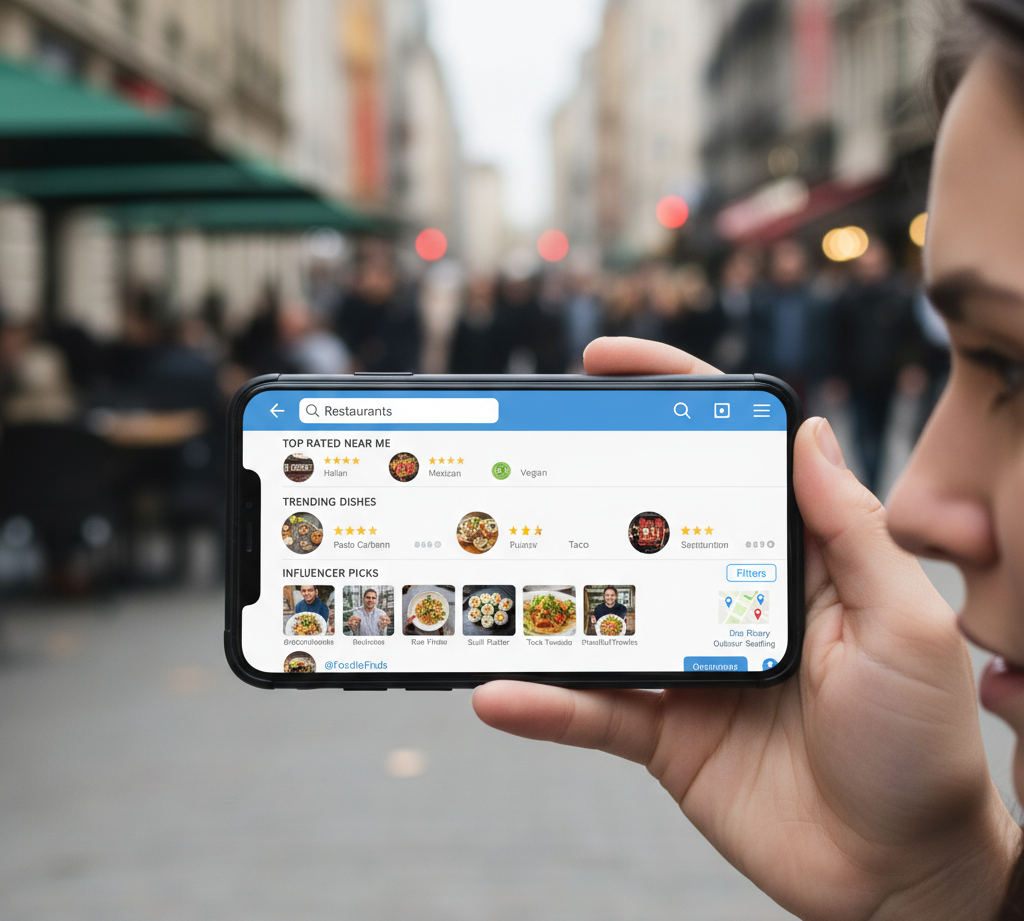
By 2025, more than 40% of young users rely on Instagram as a search engine instead of Google. This shift will continue as AI and AR tools enhance the in-app experience. Soon, users will be able to use voice-to-visual search, asking, “Show me eco-friendly brands near me,” and Instagram will deliver real results instantly. The boundaries between search, shopping, and socializing will blur completely.
Why This Matters for Digital Marketing strategists
Marketers who understand Instagram as a search engine can stay ahead of the curve. The key is balancing creativity with optimization:
• Storytelling: Create emotional, visually rich posts.
• SEO Integration: Use keywords naturally in captions and bios.
• Community Engagement: Encourage authentic conversations.
• Analytics: Study which posts perform best under certain search terms.
When users search, your content should appear not because it’s heavily promoted — but because it’s genuinely relevant and valuable
Final Thoughts
The Social Search Revolution is reshaping how we discover information. With more people using Instagram as a search engine, brands and creators can no longer ignore the platform’s SEO power.
Instagram has evolved into a hybrid space — half social network, half search tool. It provides instant visual answers, builds trust through real stories, and turns curiosity into conversion. For marketers, the message is clear: optimize for where your audience searches, not just where they scroll.
In this new era, success means being discoverable. The next time someone types a query, make sure they find you through Instagram as a search engine — the search frontier of digital marketing.